

Go to New Games

































Be the first to comment


Space Dash thrusts your mind into a furnace of speed and devastating polyhedra. The laws of physics seem to exist only to challenge human endurance.
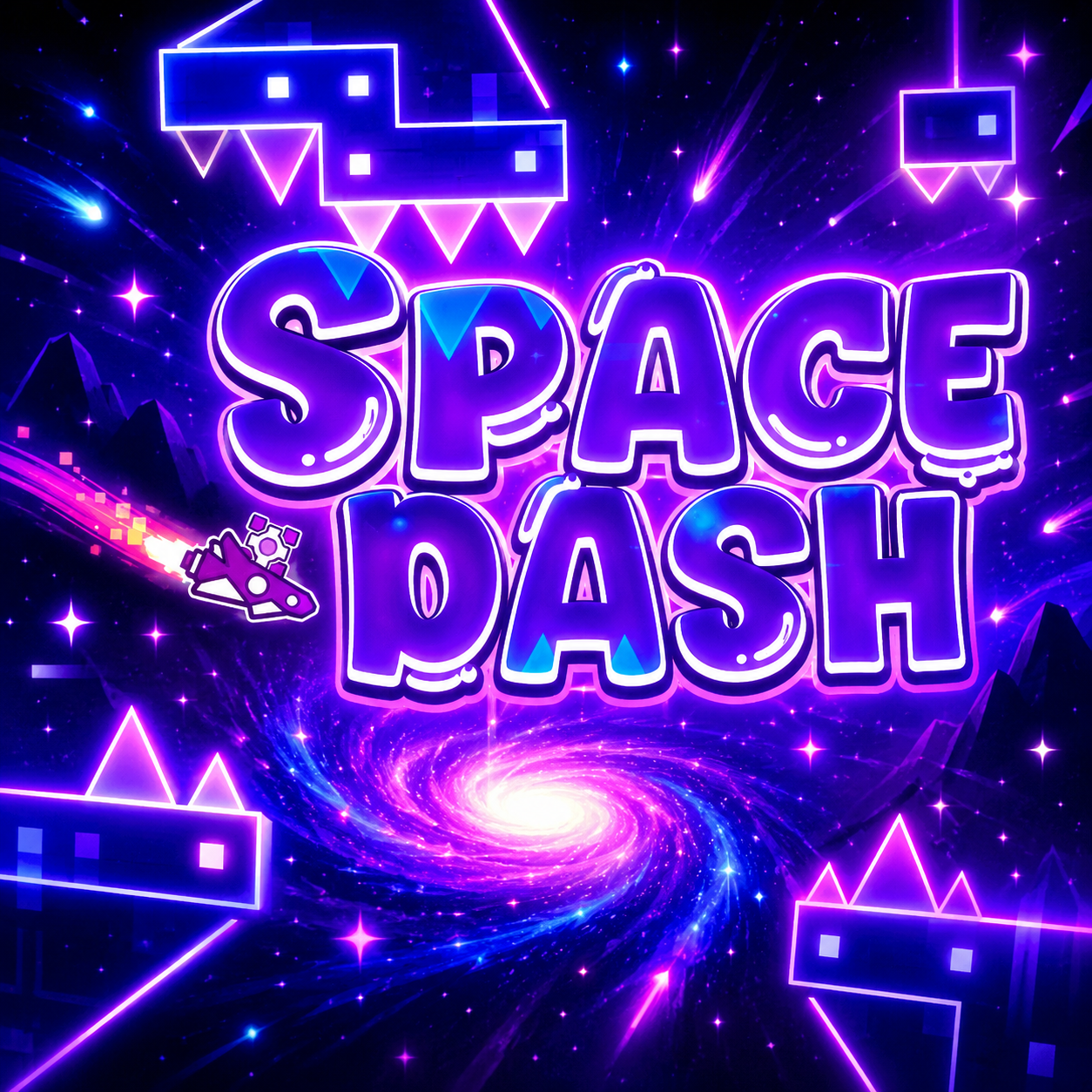
In this boundless space, you are no longer an ordinary individual but a solitary point of light. A digital soul struggling to escape the grip of laser walls and constantly shifting obstacles. The game is a manifesto of minimalist yet powerful action. Every vibrant color that appears carries within it a signal of extreme danger or a slim chance of survival. You won't have much time to relax; the game's intensity will spike the second you adjust to space's rhythm. Therefore, the journey becomes a breathtaking chase between willpower and deadly lines of code. Those without steel-coated nerves have little chance of survival in this arena of automatic reactions.
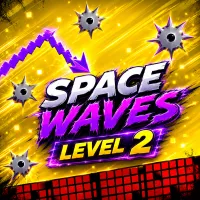
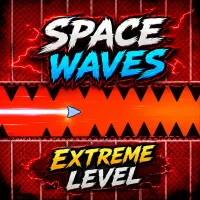
As players enter the game's dimension, they will encounter an architectural system specifically designed to deceive the eye. Geometric blocks are not simply static obstacles; they rotate, expand, and appear suddenly like electronic ghosts. The drama escalates as neon lights begin to flicker in a rapid rhythm. A dimly lit labyrinth makes finding direction a challenging intellectual puzzle. Each step is a gamble on your survival, depending on your keen observation skills. Your eyes must constantly scan for even the smallest gaps between the deadly walls. You must keep your hands steady in situations where death is just a hair's breadth away.
The game's operating mechanism focuses on maximum simplicity but demands absolute precision. Every player action becomes part of a symphony of speed. You don't just press keys to move but are performing a dance of survival. Each touch must perfectly blend with the waves of sound vibrating in your ears. The game's instant feedback system creates a direct connection between thought and action. Players can perform spectacular maneuvers through narrow gaps that the naked eye sometimes can't keep up with. Mastering yourself and controlling your impatience while waiting for the perfect opportunity is more challenging than the games itself. It is this smooth interaction that transforms repeated failures into motivation, urging gamers to return for revenge.