

Go to New Games






















Be the first to comment

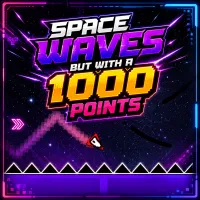
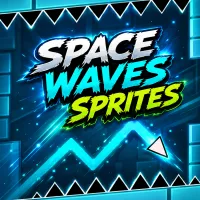
A high-speed platformer, Space Waves But With A 1000 Points bases gameplay on points. An artistic aim is to evoke the sensation of racing to the finish line.
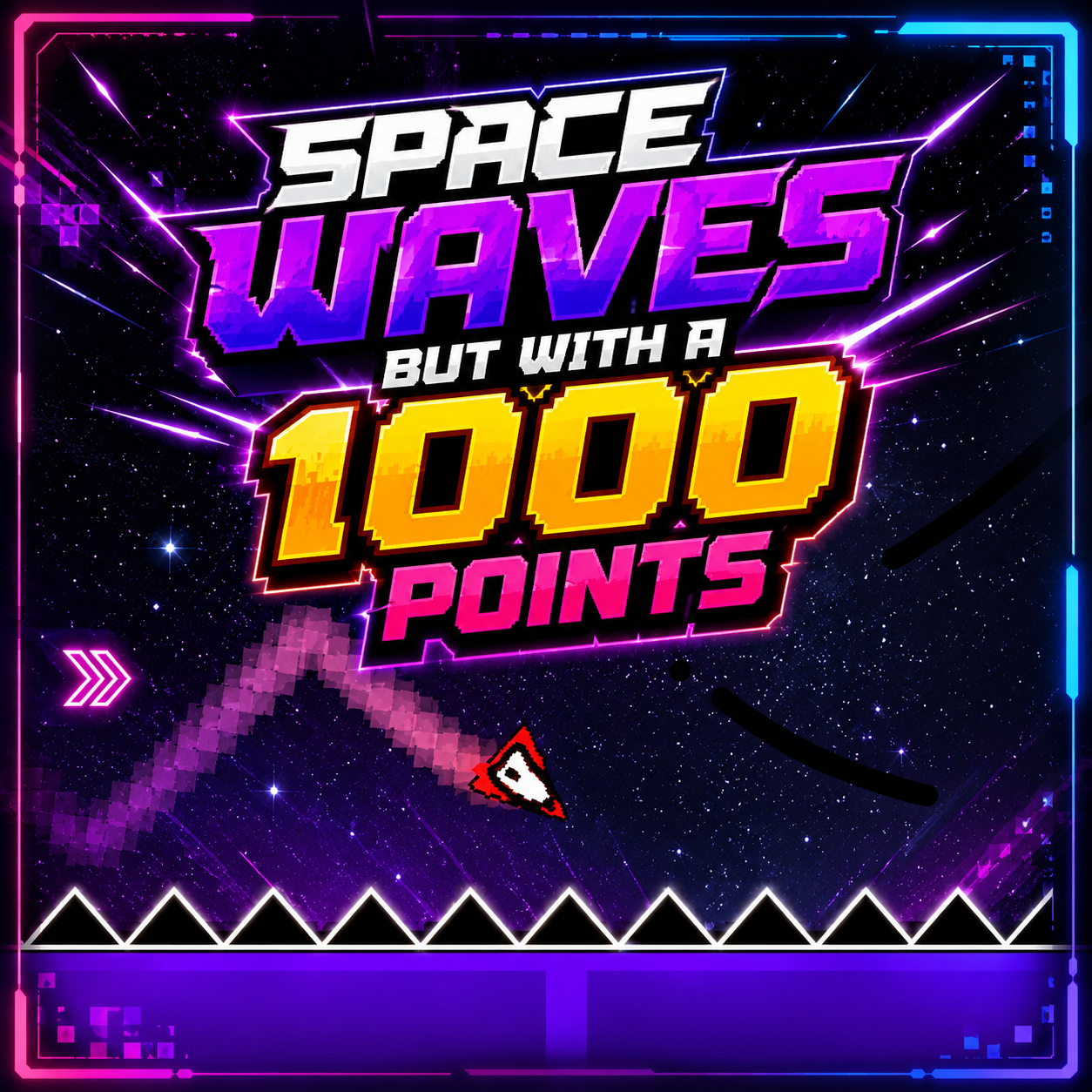
A single mistake may cost dozens of points in each level's succession of choices. This version emphasizes timing, path planning, and how you utilize each platform segment to accumulate points. Unlike many generic descriptions, here the 1000-point mark is the target area to activate hidden content and bonus challenges. The game design encourages experimentation: high-scoring routes are located right next to the safest paths. Levels are choreographed like a symphony, with build-up sections, climaxes, and a recovery segment for the player to recover. Fixed platforms, falling ground, spikes, and grid patterns create patterns that force you to read the rhythm before jumping. Cleverly placed hidden shortcuts: easily overlooked by beginners but highly appealing to those seeking a quick 1000 points. Consecutive rhythm challenges test your flow—missing a jump can break an entire scoring combo.
In this variant, 1000 points isn't just a number but a measure of mastery of the route. Coins, combos, and bonus time all converge into a scoring system. Several hidden routes and shortcuts will reward you handsomely if you venture through risky areas. Balancing safety and risk is key: sometimes sacrificing a few seconds for dozens of coins is worthwhile. The player who scores the most points isn't the fastest, but the one who knows how to score. Short-term in-game events can multiply points, turning the standard 1000 points into an easily achievable or super-challenging milestone. Replays and ghost runs are effective tools for spotting point-loss locations and finding optimal shortcuts. Complete the micro-challenges multiple times, using tokens to exchange items and increase your coin collection rate. 1000 points is both a short-term goal and a foundation for long-term challenges and community competition.