

Go to New Games



















Be the first to comment

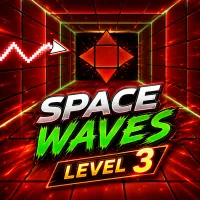
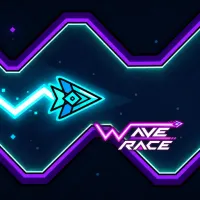
The entrance to Space Waves Level 3 is a neon tunnel of brilliant light. Rather than relying just on speed, each part poses a new issue that must be decoded.
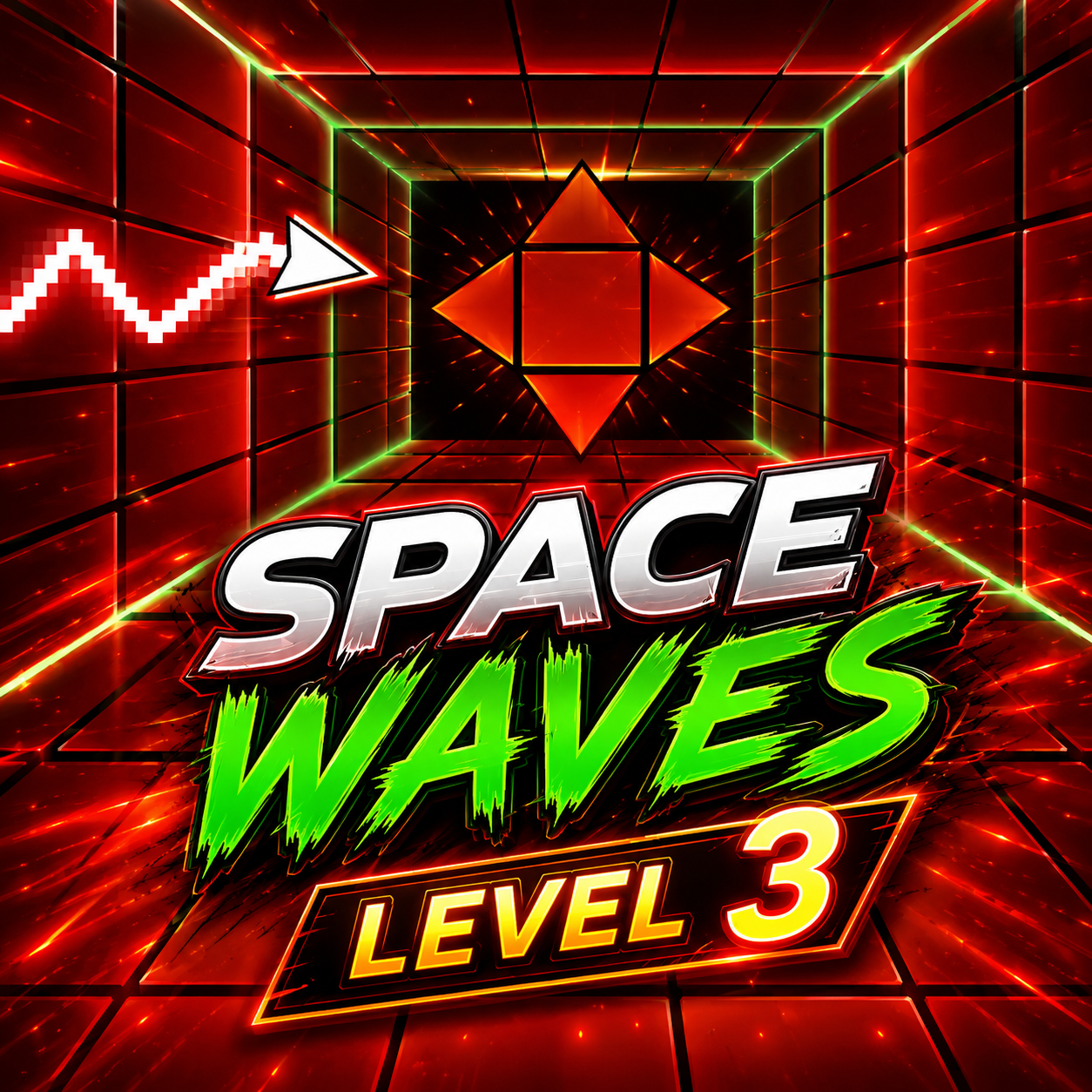
This level is designed to push your concentration limits with its contrasting grid background and guiding corridors. The aim is to avoid hazards, survive, and gain points; however, this level includes additional direction changes and small portions. Before starting, the menu lets you choose easy, medium, or hard and shows the incentives for high scores. The game subtly invites you to vibe to the music: listen to the beat, and coordinate your button pushes. This level is challenging, so you may return, improve, and find secret paths. Every instant failure is data for you to learn from: wrong position, inaccurate button presses, or poorly contrasting colors. Level 3 becomes the intersection between visual artistry and the typical hand-eye coordination challenge of Space Waves.
Press space, tap, or click to adjust the trajectory up and down; it's a simple operation but requires skillful timing. The controls let you rapidly manipulate them on your phone with a tap and on your PC with space and a mouse. When playing the game, make several attempts to get a sense of the movement's momentum. A short tap is different from a continuous hold, and each has its use in the level. To survive the race, listen to the music and match your hand rhythm with the beat on a few test runs. Good controls reduce frustration; the game wants you to feel in control even when the level looks crazy.
Level 3 demands you trace the trajectory with your finger, understanding when to hold, release, and change phases. Learning to touch the sprite's angle is crucial to hitting the top or fitting through the tiny gap. The trail that follows the sprite helps you track the light trail, analyze the trajectory, and estimate its future position. You sometimes need to touch a button before the barrier comes to get the sprite to the safe area. This method is like playing music—practicing the notes beforehand so everything is in rhythm when it matters. First practice the trajectory slowly, then speed up as the route becomes clearer. Sometimes shortening the trajectory wisely will save seconds and increase points more than taking a long, safe route. Try different approaches for the same narrow gap—you'll discover some secret angles that make getting through easier. Once skilled, each run will feel like a well-rehearsed dance with a fluid trajectory like your trademark.