

Go to New Games

































Be the first to comment

Wave Dash GD shapes the high-speed control experience with continuous movement. Every moment forces the player to make decisions almost instantly.
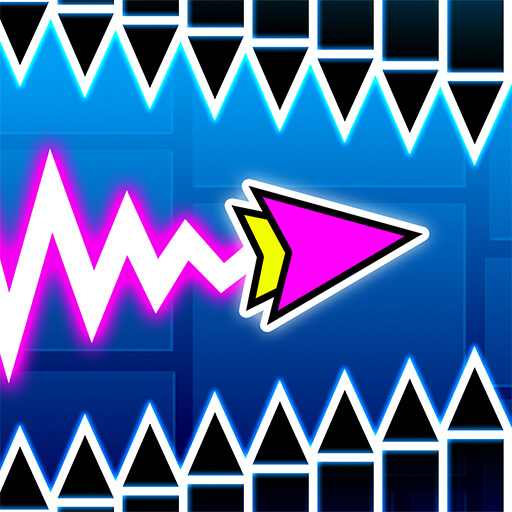
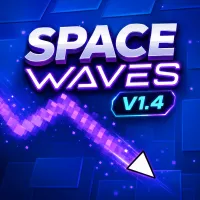
The wave-shaped symbol moves continuously in geometric space with an ever-changing rhythm. Instead of creating a relaxing feeling, the game maintains steady pressure throughout the journey. The visual elements are simplified but serve very clearly for orientation. The background is not complex but always keeps the player alert. Once familiar with the rhythm of operation, the player will begin to sense the hidden rules behind it. The path is not straightforward and often contradicts initial impressions. Geometric blocks are placed at angles and distances that force the player to constantly adjust. Many sections that seem easy actually require very high precision. Prior observation becomes more important than mere reflexes; each level is like a problem of angle and rhythm.
Sound doesn't exist as a background but acts almost as the skeleton of the entire experience. Electronic rhythm directly impacts how the player performs actions. When the headphones catch the rhythm, the hands automatically adjust in a more natural way. If the connection with the rhythm is lost, the control immediately becomes disjointed. This is why each level feels different even though the mechanism doesn't change. Sound becomes a directional tool instead of just a support. This connection makes the experience more instinctive than thoughtful.
The control mechanism is almost as simple as can be, but it's difficult to master. With just a tap and release, the player must completely control the direction of the wave symbol. A small deviation in timing is enough to ruin the entire process. There is no support system or tolerance for mistakes. Such an approach makes each failure very clear and direct. Over time, the feeling of control becomes more precise through practice. The technique is a mechanism that is easy to access but difficult to perfect. Each improvement is noticeable. Progress doesn't come from luck but from understanding the motion.