

Go to New Games























Be the first to comment

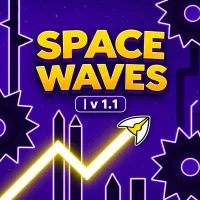
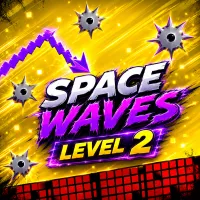
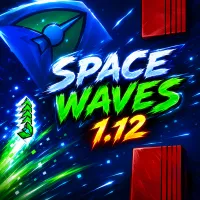
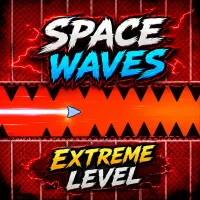
Space Waves | v 1.1 distorts space with jagged mechanical waves. The dense transitions create a feeling of being stretched out and out of sync with reality.
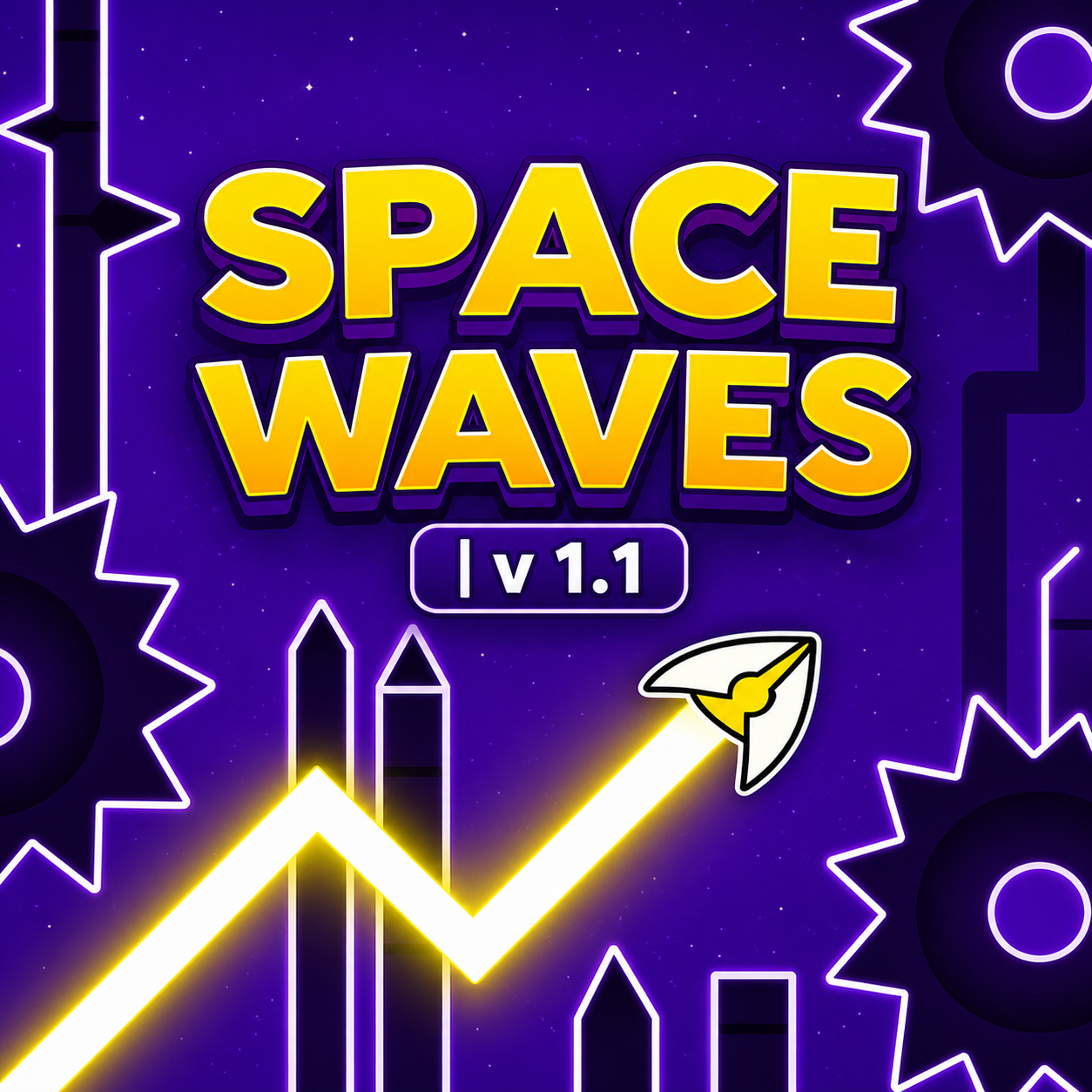
The game doesn't begin with instructions but with a straight line hurtling along in silence. Everything awaits a click to change direction and break the equilibrium. Space here isn't static but constantly forces the player into an instinctive, reflexive rhythm. Each change of direction is like breaking a pre-written line of motion. There's no fixed character to control in the traditional way, only an entity sliding between sharp structures. Spikes don't appear as mere obstacles but as absolute boundaries. Players don't learn to control the game, but rather to intervene at the right moment. Therefore, the game resembles a rhythmic system that forces you to adapt to its constant changes. As you delve deeper, you understand that each click is a survival choice in a confined, pressure-filled place.
Space Waves | v 1.1, spikes are not just obstacles but the definition of instant failure if the player miscalculates. They don't need to move; they don't need to attack; they just exist as fixed endpoints in space. What makes them dangerous is not their shape but their appearance at the right moment when you change direction. Each time you cross a narrow gap, it feels like you're walking between two tightening boundaries. The space is therefore always stressful, leaving no room for gentle retesting in the same moment. Distance, movement rhythm, and direction changes must be observed during a succession of events. Once you master the technique, spikes become more than just random obstacles; they seamlessly integrate into the overall rhythm of the level.
The click-to-swap direction mechanism is the foundation of the entire experience. Each change of direction is like reversing a rapidly accelerating flow. The space doesn't slow down to allow you to adapt but continues to rush forward. When the direction changes, the entire movement structure also distorts, making the sense of orientation always fragile. Players cannot rely on long-term inertia but constantly read the situation in front of them. This minimalist control creates much greater tension than many other complex games. There are few buttons and choices; each direction change offers only a binary choice.