

Go to New Games



























Be the first to comment


Rather than launching into a race, Retro Rush erupts on the screen like a neon electric surge. A whir of wind ripping across your field of view and the sensation of movement set the tone.
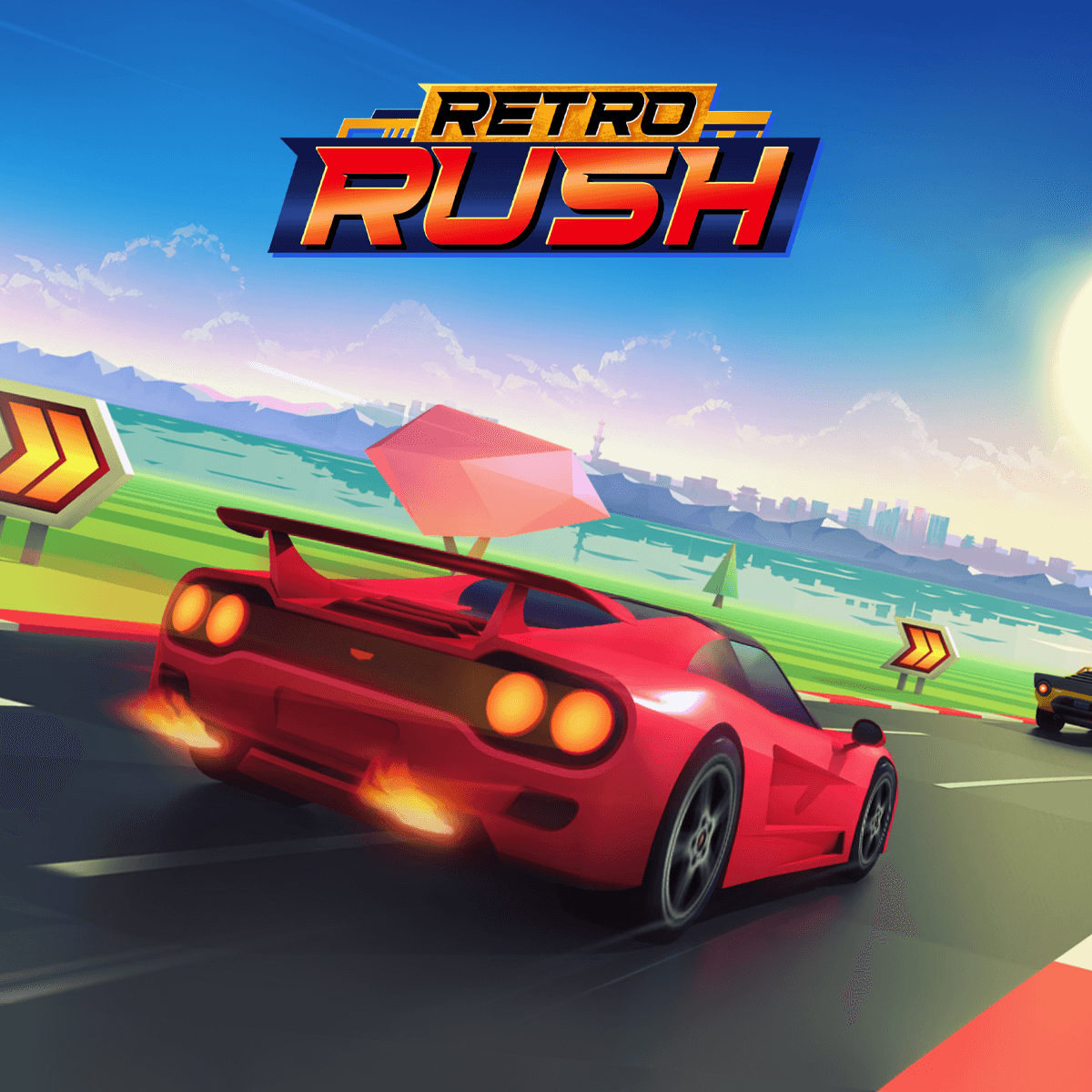
The car doesn't simply accelerate but is thrown into the dense traffic. Gaps disappear just as you realize they exist. Vibrant blocks of color, flashing lights, and the extended track create a feeling that is both familiar and unsettling. The game doesn't try to be a realistic racing game but chooses to transform speed into a sensory experience. You don't drive; you slide through gaps, weave between vehicles, and maintain your rhythm to avoid being swallowed up. Each lane change isn't simply dodging but a chain-reaction decision that affects the next few seconds. As speed increases, every movement becomes more sensitive, and even small deviations can have big consequences. Interestingly, the game doesn't force you to go fast from the start but gradually pushes you into a faster state. Maintaining stability amidst traffic is like balancing on a constantly tilting surface. Once you get used to it, you start to feel the track's flow.
Retro Rush doesn't require players to memorize mechanically, because each track clearly changes over time. Daytime offers a wide view, but speed is easily misjudged, while nighttime makes things more unpredictable. Changing weather is not only an aesthetic factor but also directly affects the feeling of control. Roads that seem familiar become strange when the density of cars changes or the traffic flow is disrupted. This very instability makes each playthrough feel new, even if you've run the same route many times. The game doesn't build challenges by length but by making each segment unpredictable.
Beneath the surface of speed lies a strategic system that players gradually realize after a few failures. Gathering fuel isn't just a side quest but a crucial factor in the survival of the entire turn. Nitro isn't meant to be used constantly but should be saved for those rare moments when opening up opportunities. Players begin to understand that sometimes maintaining a stable position is more important than getting ahead immediately. Small decisions, like choosing a path or ignoring an item, all affect the final outcome.