

Go to New Games



































Be the first to comment

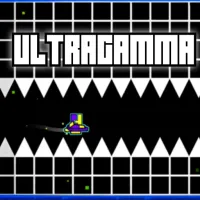
Dashmetry Ultragamma detonates like a sequence of compressed electrical waves with each visual hit. Movement is no longer linear but is bent to the rhythm.
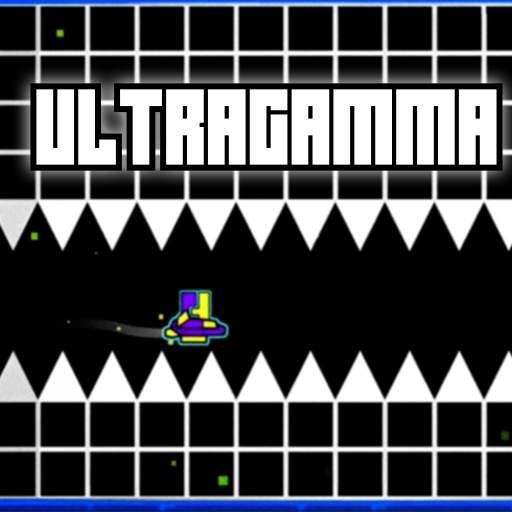
Rhythm is not merely sound but dissolves directly into the structure of movement. Each segment—from cube to wave to ship—acts as a different expressive layer of the same rhythmic flow. Due to the problems' cascading reflexes, the player is compelled to use both their visual perception and their intuitive touch. There are no true pauses, because even seemingly stable segments contain subtle shifts. When speed suddenly spikes, the entire system shifts from control to adaptation, making each action an instinctive decision. This step is where the game redefines how players interact with gameplay: not memorized, but synchronized.
Level is a succession of phase transitions, where each state lasts barely a moment before being changed. Starting with the cube with dense jumps, the game quickly pushes the player into a wave. The rotating gears are not only obstacles but also act as visual distractions. When transitioning to the ship, the space is compressed into narrow corridors with repetitive structures that create psychological pressure. This artificial familiarity makes reflexes easily disrupted, especially as the speed continues to increase. At the peak, during the last wave, a visual maelstrom blends in with the vanishing neon lights and slopes.